2026-11-21 · Alex Rivera
How California Window Tint Laws Apply To Vehicles In Ontario
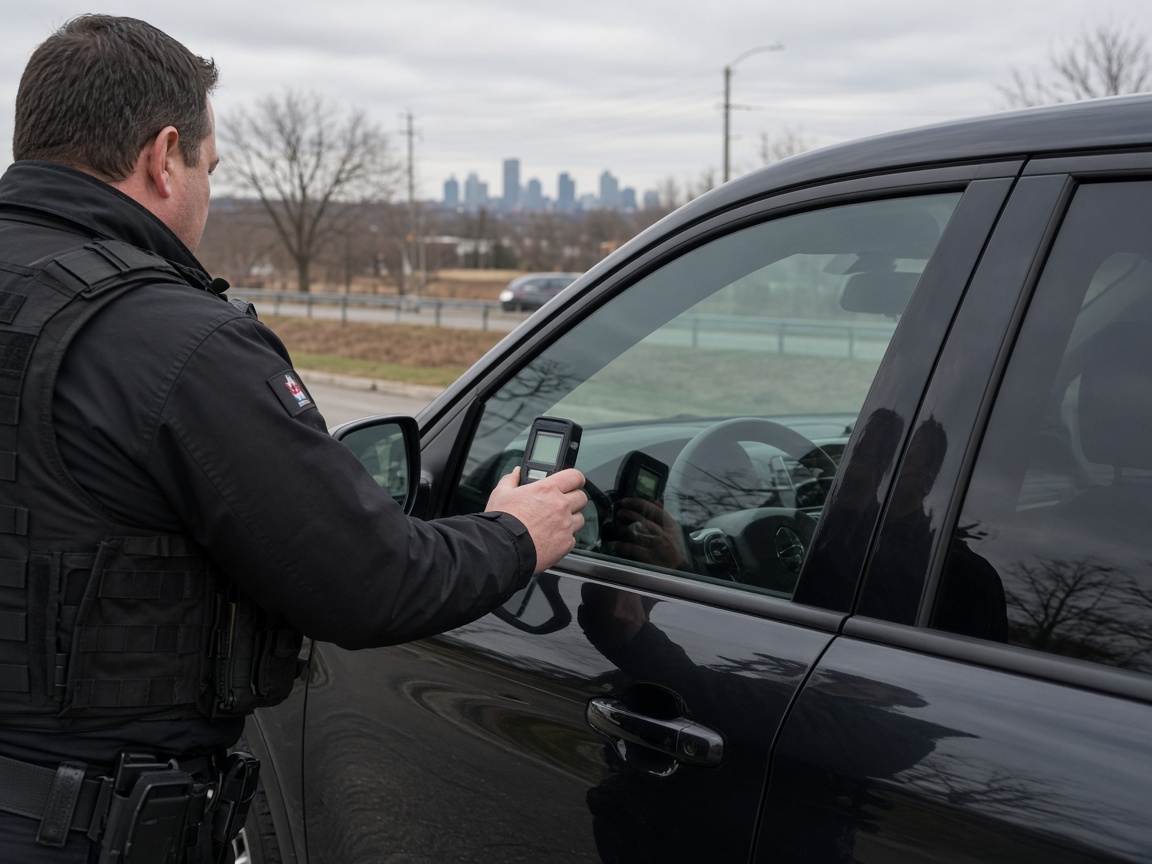
California window tint laws set a 70% visible light transmission minimum on front side windows and require the windshield to remain clear below the AS-1 line for vehicles in Ontario. Rear side windows and the rear window can be darker when the vehicle has dual side mirrors, which covers most cars and trucks registered in San Bernardino County. These rules remain the same whether the vehicle sits in Creekside, Armstrong, or near Ontario International Airport.
Windshield Requirements in Ontario
The law allows a non-reflective strip at the top of the windshield above the AS-1 line but prohibits any tint below that line on vehicles driven in Ontario. Hot-summer Mediterranean conditions bring intense glare on routes near the Ontario Mills and Toyota Arena, yet drivers must keep the main viewing area clear to avoid stops by law enforcement. Mobile window tinting crews working from 520 S Cypress Ave see many older sedans and trucks from North Ontario that already carry factory glass meeting the 70% standard.
Front Side Window Rules
Front driver and passenger windows must transmit at least 70% of visible light on vehicles registered in Ontario and surrounding cities such as Rancho Cucamonga and Upland. This limit prevents overly dark films that reduce reaction time at intersections along Euclid Avenue or in heavy traffic near Cucamonga-Guasti Regional Park. Owners of newer SUVs common in Ontario Ranch often request ceramic films that stay within the 70% threshold while cutting heat during peak summer months.
Rear Window and Side Window Flexibility
Rear side windows and the rear window face no minimum VLT requirement in California when the vehicle has two functional side mirrors, a common setup for trucks and vans seen in Fontana and San Bernardino. This allowance helps residents in Guasti and Creekside who tow trailers or carry equipment and need extra privacy or heat rejection. Professional installers still measure reflectance to stay under the 25% limit that applies statewide.
Medical Exemptions and Enforcement
Drivers with documented medical conditions can apply for a tint exemption through the California Department of Motor Vehicles, though the process requires physician certification and remains valid only for the listed windows. Officers in Ontario routinely check front side windows during traffic stops around the Museum of History and Art or near the airport, making compliance important for daily commuters. Local mobile teams advise customers to keep exemption paperwork in the glovebox when traveling between Upland and Jurupa Valley.
Practical Steps Before Tinting
Measure existing glass VLT with a meter before applying any film, especially on vehicles parked outdoors through mild winters and extreme summer heat in San Bernardino County. Review the exact percentages allowed under California Vehicle Code sections that apply to Ontario rather than relying on out-of-state standards. Automotive Window Tinting crews familiar with local enforcement patterns can confirm compliance on site. Owners planning work during peak heat should review Preparing Your Car For Mobile Window Tinting During Inland Empire Summers for timing tips. Cost variables that influence final film choice appear in What Affects The Price Of Mobile Window Tinting In The Inland Empire.
Staying within the 70% front-side and clear-windshield rules keeps vehicles legal on Ontario streets while still delivering heat reduction suited to the local climate.